What is Energy Drink Formulation and How Does It Impact Performance?
Energy drink formulation plays a crucial role in athletes' performance and energy levels. These drinks contain various ingredients designed to enhance physical and mental capabilities. Key elements include caffeine, vitamins, and carbohydrates. Caffeine, for example, can improve focus and endurance.
However, the effectiveness of energy drinks can vary widely among individuals. Not everyone responds positively to the same formulation. Some may experience jitters or crashes. Understanding the precise combination of ingredients in energy drinks can help users choose products that align with their needs.
The impact of energy drink formulation goes beyond just physical output. It can affect hydration, mood, and recovery time. Continuous research is essential to clarify the benefits and risks associated with these products. Making informed choices can lead to better health outcomes and improved performance.
What Constitutes Energy Drink Formulation: Key Ingredients Explained
Energy drinks have surged in popularity, driven by their promise to enhance physical and mental performance. A closer look at their formulation reveals several key ingredients that contribute significantly to their efficacy. Typical formulations include caffeine, taurine, and B vitamins, each playing a distinct role. Caffeine is the most prominent ingredient, known for its ability to increase alertness and reduce fatigue. Research indicates that about 80% of energy drink consumers report improved energy levels due to caffeine.
Taurine is another essential component. It is often included for its potential benefits in supporting exercise performance and recovery. Studies suggest that taurine may help with muscle contractions and reduce muscle damage during intense workouts. B vitamins, on the other hand, play a crucial role in energy metabolism. They assist in converting food into energy, particularly during prolonged physical activity. However, the effectiveness of these ingredients can vary between individuals. Some people may experience jitters or a crash after consumption, raising questions about the overall reliability of these products.
Despite the benefits, energy drink formulation is not without controversy. The balance of ingredients is vital. Excessive caffeine content can lead to undesirable side effects, such as increased heart rate or anxiety. A study indicated that nearly 30% of energy drink consumers felt unwell after consumption. This highlights the need for more research and better understanding of energy drink formulations. Awareness of the potential effects is crucial for consumers seeking to optimize their performance safely.
Caffeine Levels in Energy Drinks: Effects on Athletic Performance
Caffeine is a common ingredient in energy drinks, known for its stimulant properties. It enhances alertness and can improve performance in various sports. Studies show that caffeine may increase endurance, strength, and reaction time. However, effects can vary among individuals. Some athletes may thrive on caffeine, while others might experience anxiety or jitters.
The right caffeine dosage is crucial. Too much can lead to over-stimulation and heart issues. Typical energy drinks can contain varying levels of caffeine, which complicates finding an ideal amount. Athletes often need to experiment to discover their optimal intake for performance without side effects.
Relying too much on energy drinks can also lead to dependency. Athletes should focus on balanced nutrition and hydration. While caffeine can boost energy, it shouldn't replace proper rest or hydration. Long-term reliance on stimulants may hinder natural performance improvements.
Caffeine Levels in Energy Drinks and Their Impact on Athletic Performance
This chart illustrates the correlation between caffeine levels in energy drinks and the reported athletic performance improvements in various studies. As caffeine content increases, the percentage of athletes reporting enhanced performance also rises.
Role of Sugars and Sweeteners in Energy Drink Efficiency
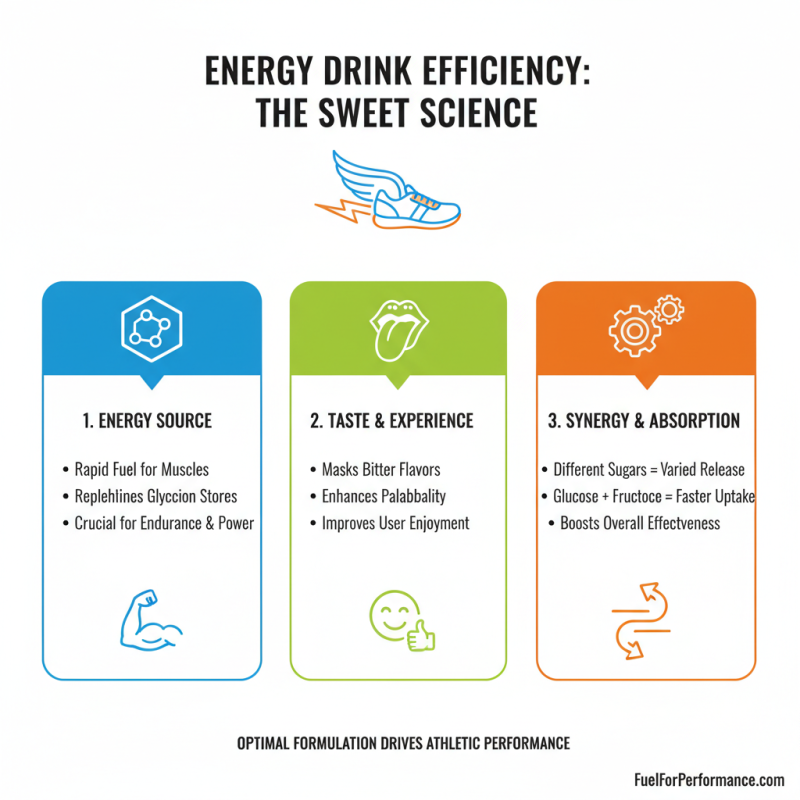
The formulation of energy drinks plays a critical role in athletic performance. Sugars and sweeteners are essential components in these beverages. They not only provide energy but also influence taste and user experience. The interaction between different sugars can impact absorption rates and overall effectiveness.
For instance, glucose and fructose are commonly utilized sugars. They are swiftly absorbed and can enhance endurance. However, excessive sugar can lead to a quick energy spike followed by a crash. This fluctuation can confuse the body and affect performance negatively. Natural sweeteners, like stevia, are gaining popularity, offering sweetness without the calorie load.
The balance of sugars is crucial. Too much can hinder performance and create digestive issues. Athletes need to find a formulation that works for them. Sweeteners also bring their own challenges. While they provide lower-calorie options, some may leave an aftertaste that impacts consumer preference. Overall, energy drink formulation remains a complex challenge in optimizing performance.
Vitamins and Amino Acids: Enhancing Endurance and Recovery
Vitamins and amino acids play a crucial role in enhancing endurance and recovery for athletes and active individuals. These nutrients can boost physical performance by providing necessary support during intense workouts. Vitamins such as B-complex help convert food into energy, while antioxidants like vitamins C and E can protect muscles from oxidative stress.
Amino acids are the building blocks of protein. They are essential for muscle repair and growth. Branched-chain amino acids (BCAAs) are especially beneficial during prolonged exercise. They may reduce fatigue and decrease muscle soreness. However, the precise impact of these supplements can vary significantly among individuals.
While many athletes rely on these nutrients, their effectiveness can sometimes be overstated. Some individuals may not experience the expected benefits. Nutrition should be tailored to each person's unique needs. Personal experimentation and reflection are key to finding what works best for enhancing endurance and recovery. Balancing diet with a focus on whole foods is also vital for achieving optimal performance.
Market Trends: Popularity and Consumption Statistics of Energy Drinks
Energy drinks have surged in popularity over the last decade. Many consumers turn to these beverages for a quick energy boost. Statistics reveal a notable increase in energy drink consumption among young adults and athletes. In fact, studies indicate that over 30% of this demographic consumes energy drinks regularly.
The FDA has reported a growing concern over the health implications of such high consumption rates. Increased heart rates and anxiety are common side effects. Many consumers are unaware of these potential risks. Despite this, energy drinks continue to attract attention, driven by aggressive marketing strategies.
Consumer preferences are shifting. People are looking for healthier alternatives. Sugar-free options are gaining traction, reflecting a broader trend towards wellness. However, some remain skeptical of the ingredients and their long-term effects. As the market evolves, awareness of formulation and its impact on health will become critical in consumer choices.
What is Energy Drink Formulation and How Does It Impact Performance? - Market Trends: Popularity and Consumption Statistics of Energy Drinks
| Dimension |
Statistic |
| Global Market Size (2023) |
$80 Billion |
| Annual Growth Rate (CAGR 2023-2028) |
7% |
| Popular Target Demographic |
18-34 Years Old |
| Primary Ingredients |
Caffeine, Sugar, B Vitamins |
| Percentage of Regular Consumers |
35% |
| Common Performance Benefits |
Increased Alertness, Improved Endurance |
| Average Consumption per Week |
3 Cans |
| Most Popular Flavor |
Citrus |