What is a high energy drink and how does it affect your body?
High energy drinks have gained immense popularity in recent years. They promise a quick boost of energy and enhanced focus. But what are the implications for our bodies?
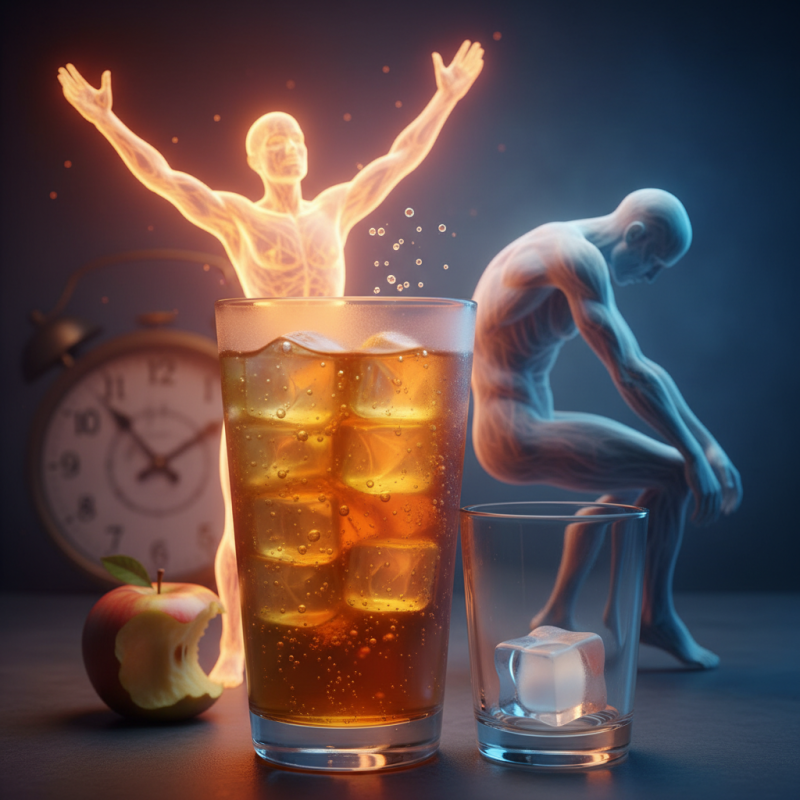
These drinks often contain high levels of caffeine and sugar. A single can may have as much caffeine as several cups of coffee. Consuming high energy drinks can lead to increased heart rates and heightened alertness. However, this surge in energy is often followed by a crash. The body may feel fatigued and drained after the initial boost fades.
Moreover, relying on high energy drinks can create unhealthy habits. Many people use them as a substitute for sleep or proper nutrition. This can lead to consequences like anxiety or insomnia. Balancing energy intake with natural sources is crucial. As the enjoyment of these drinks grows, so does the need for awareness of their effects.
Definition and Composition of High Energy Drinks
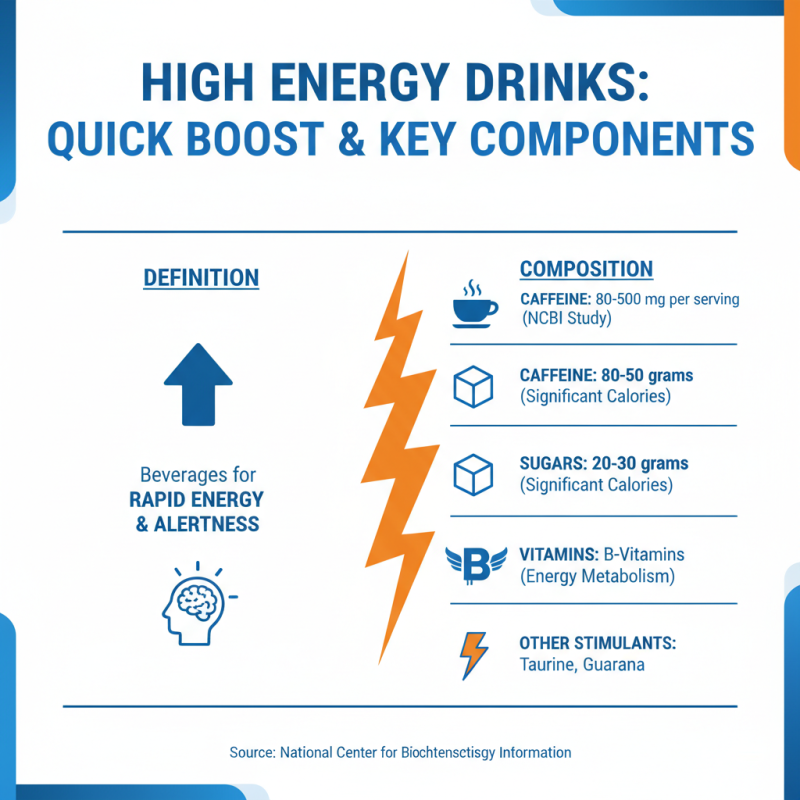
High energy drinks are beverages designed to provide a quick boost of energy and alertness. They usually contain caffeine, sugars, vitamins, and other stimulants. According to a study by the National Center for Biotechnology Information, a typical high energy drink can have between 80 to 500 mg of caffeine per serving. The sugar content can range from 20 to 30 grams, significantly contributing to daily calorie intake.
The composition of these drinks impacts the body in various ways. Caffeine stimulates the central nervous system, leading to increased alertness and reduced fatigue. However, excessive consumption can cause jitters and anxiety. Sugar can provide a quick energy boost, but it may lead to a crash shortly after. Researchers have noted that frequent users may develop a tolerance, requiring more significant amounts for the same effect.
It's crucial to consider these factors. High energy drinks can offer temporary benefits but also pose risks. Reports indicate that many consumers underestimate the long-term effects of high sugar and caffeine intake. The immediate gratification may not justify the potential for sleep disturbances and increased heart rate. Reflecting on personal consumption habits can promote healthier choices.
Mechanism of Action: How High Energy Drinks Affect the Body
High energy drinks often contain high levels of caffeine, taurine, and sugar. These ingredients have a significant impact on the body's functioning. According to a report by the European Food Safety Authority, caffeine can enhance cognitive function and increase alertness. However, excessive consumption can lead to anxiety and insomnia.
The mechanism of action primarily revolves around caffeine. It blocks adenosine receptors in the brain, preventing sedation. This results in increased dopamine production. Consequently, users may experience heightened energy and mood elevation. However, some studies reveal that this energy boost can be short-lived, leading to a subsequent crash. Users should be aware that reliance on these drinks may mask fatigue, leaving underlying exhaustion unaddressed.
Taurine's role is also vital. Research shows it can improve physical performance and reduce muscle fatigue. Yet, there are concerns regarding its long-term effects. Effects may vary across individuals. Some may experience adverse reactions, such as heart palpitations. Balancing energy needs with health considerations remains crucial.
Effects of High Energy Drinks on Key Body Functions
Potential Benefits of Consuming High Energy Drinks
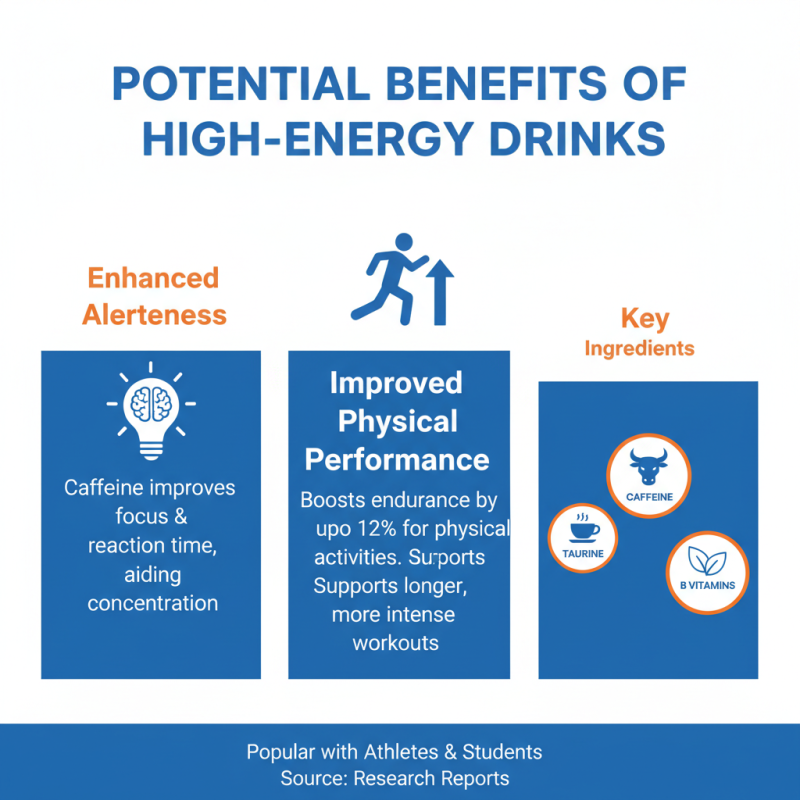
High energy drinks are popular among many, especially among athletes and students. Their primary ingredients often include caffeine, taurine, and various vitamins. Studies show that caffeine can enhance alertness and improve physical performance, which can be beneficial for tasks requiring concentration or endurance. A research report revealed that caffeine can boost endurance by up to 12% during physical activities.
However, it's crucial to consider potential risks. Excessive intake can lead to anxiety, insomnia, and even heart issues. A survey from health organizations indicated that about 30% of energy drink consumers experienced side effects. This raises questions about long-term consumption and the balance between benefits and drawbacks.
**Tips:** Choose energy drinks with lower sugar content. Monitor your overall caffeine intake throughout the day. Try not to rely on energy drinks daily; they should be used occasionally. Hydrate well with water. Following these smart practices can help maintain a healthier lifestyle while enjoying these beverages.
Health Risks and Side Effects of High Energy Drinks
High energy drinks have become popular, especially among young adults. These beverages often contain caffeine, sugar, and other stimulants. Reports indicate that the average energy drink has about 80 mg of caffeine per serving. This is roughly equivalent to a cup of coffee. However, the effects can be more intense due to added sugar and other ingredients.
Consuming high energy drinks can lead to several health risks. A study published in the Journal of the American Heart Association found that excessive consumption may increase the risk of heart complications. Individuals reported experiencing jitters, increased heart rate, and even anxiety. Some data suggested that about 30% of users experience negative side effects. This includes insomnia and digestive issues.
Moreover, the caffeine content can lead to dependency over time. Your body may require more caffeine to achieve the same stimulating effects. This cycle often results in increased intake and, consequently, more health issues. Users should be cautious. Regularly consuming these drinks could lead to long-term health problems. It’s essential to reflect on these risks before indulging in high energy drinks.
High Energy Drinks: Effects on the Body
| Ingredient |
Common Effects |
Health Risks |
| Caffeine |
Increased alertness, energy boost |
Insomnia, jitteriness, increased heart rate |
| Sugar |
Quick energy, improved mood |
Weight gain, diabetes risk |
| Taurine |
Enhanced mental performance |
Unclear long-term effects |
| B Vitamins |
Energy metabolism support |
Excess can cause nerve damage |
| Ginseng |
Increased endurance |
Interactions with medications |
Regulatory Guidelines and Recommendations for Consumption
High energy drinks are popular, but their consumption comes with guidelines. Regulatory bodies often suggest limits. For instance, the World Health Organization recommends a maximum intake of 200 mg of caffeine per serving for adults. This amount equates to about 2.5 cups of brewed coffee. Exceeding this can lead to heart problems or increased anxiety.
The American Academy of Pediatrics advises against these drinks for children and teens. Young bodies are more sensitive to caffeine. A study noted that about 35% of adolescents consume energy drinks regularly. This raises concerns about potential long-term effects on heart health and sleep patterns.
Many consumers overlook serving sizes. Some drinks contain as much as 500 mg of caffeine per can. Mixing these with alcohol further complicates health risks. It can mask intoxication and lead to dangerous behavior. Reflecting on consumption habits is crucial. Awareness of individual tolerance levels can prevent adverse effects. Monitoring intake is key for ensuring safety.