Top 10 Beverage Contract Manufacturing Companies in China 2026?
The beverage contract manufacturing industry in China is experiencing significant growth. According to a recent report by Mordor Intelligence, the Chinese beverage market is projected to reach USD 164 billion by 2026. This surge reflects a rising demand for custom beverage solutions. Companies are increasingly looking for partners to help innovate and scale production.
In this evolving landscape, identifying the top beverage contract manufacturing companies is crucial. These manufacturers offer vital services, including formulation development, bottling, and packaging. Choosing the right partner can help brands introduce unique products quickly. However, the complexity of this market means some manufacturers may struggle with quality control or meeting regulatory standards.
Understanding the strengths and weaknesses of different companies is essential for success in beverage contract manufacturing. Brands must consider factors such as production capabilities and supply chain stability. With ongoing market shifts, continuous evaluation is necessary. This helps companies align their needs with the right manufacturing partners.
Overview of the Beverage Contract Manufacturing Industry Landscape in China
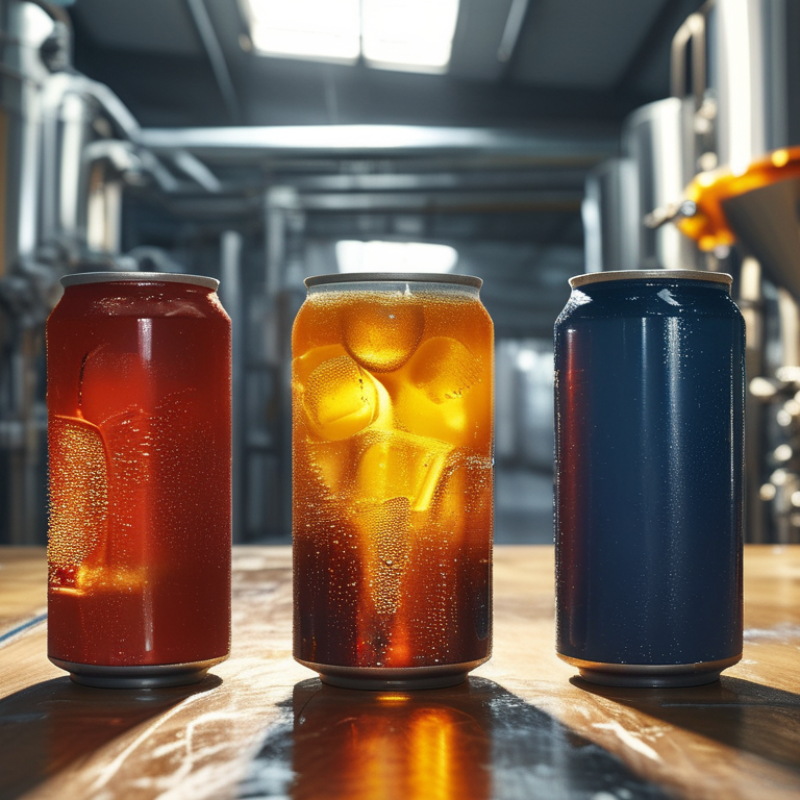
The beverage contract manufacturing industry in China is witnessing significant growth. By 2026, the market is projected to reach a value of approximately $50 billion. This increase is fueled by rising demand for non-alcoholic beverages among health-conscious consumers. Recent reports indicate that functional drinks and organic beverages are particularly gaining traction.
A vital aspect of this landscape is the evolving consumer preferences. For instance, younger consumers prioritize convenience and sustainability. They favor drinks with natural ingredients, pushing manufacturers to innovate continuously. Additionally, the COVID-19 pandemic has accelerated trends toward home delivery and online sales channels. Manufacturers need to adapt to these shifts and invest in technology.
Tips: Focus on quality control. A robust process ensures product safety and consistency. Also, consider local sourcing. It can reduce costs and improve supply chain efficiency. Lastly, investing in market research helps understand consumer needs better. The beverage industry demands agility and responsiveness to maintain competitiveness.
Key Trends Driving Growth in China's Beverage Contract Manufacturing Market
The beverage contract manufacturing market in China is evolving rapidly. Several trends are shaping this growth. One significant trend is the increasing demand for personalized beverages. Consumers are seeking unique flavors and healthier options. This has pushed manufacturers to innovate and adapt their offerings. As a result, many companies are investing in R&D to create tailored drinks.
Sustainability is another key factor driving growth. Customers are more conscious of environmental issues. They prefer brands that practice eco-friendly production. This trend encourages manufacturers to adopt green technologies. For instance, using recyclable materials and reducing waste can enhance brand reliability. However, not all companies are meeting these standards. Some struggle with genuine implementation, raising questions about their commitment.
The rise of e-commerce is also impacting the beverage sector. More consumers are purchasing drinks online. This shift requires contract manufacturers to enhance their distribution capabilities. Companies need to streamline their supply chains to meet demand. However, not all operations are fully optimized. Inefficiencies in logistics can hinder growth. Addressing these challenges will be vital for success in this competitive landscape.
Top 10 Beverage Contract Manufacturing Companies in China 2026
The following bar chart illustrates the projected market share of various beverage categories in the contract manufacturing sector in China for the year 2026. The growth in demand for beverages, including non-alcoholic drinks, functional beverages, and teas, is expected to drive the expansion of the contract manufacturing market.
Top Beverage Contract Manufacturers: Market Share and Industry Rankings
The beverage contract manufacturing industry in China is experiencing rapid growth. With a diverse range of beverage products, companies are competing fiercely. Many firms are focusing on innovation and quality control. The push for healthier beverages has also changed the landscape. Brand owners are increasingly seeking partners who can deliver customized solutions.
Market share among the top manufacturers varies widely. Some companies specialize in soft drinks, while others focus on juices or functional beverages. The industry shows a tendency towards consolidation. This growing trend may lead to fewer larger players dominating the market. However, smaller companies bring unique offerings that attract niche markets.
As the industry evolves, companies must remain agile. Consumer preferences shift quickly, making adaptability essential. Some firms struggle to keep up with these changes. Staying relevant requires not only quality but also insight into market trends. The challenge lies in balancing production capabilities with innovative ideas. Many companies face this ongoing dilemma, impacting their long-term growth potential.
Top 10 Beverage Contract Manufacturing Companies in China 2026
| Rank |
Company Type |
Annual Revenue (USD) |
Market Share (%) |
Specialization |
| 1 |
Soft Drinks |
500 Million |
15% |
Fizzy Beverages |
| 2 |
Juices |
300 Million |
10% |
Fruit Juices |
| 3 |
Energy Drinks |
400 Million |
12% |
Energy and Sports |
| 4 |
Tea and Coffee |
250 Million |
8% |
Brewed Beverages |
| 5 |
Dairy-based Drinks |
220 Million |
7% |
Milk and Yogurt |
| 6 |
Water Products |
150 Million |
5% |
Bottled Water |
| 7 |
Functional Beverages |
280 Million |
9% |
Health-boosting Drinks |
| 8 |
Alcoholic Beverages |
600 Million |
20% |
Wines and Spirits |
| 9 |
Carbonated Waters |
200 Million |
6% |
Sparkling Waters |
| 10 |
Mixers and Concentrates |
350 Million |
11% |
Cocktail Mixers |
Innovations and Technology in Beverage Manufacturing: A 2026 Perspective
Innovations and technology are transforming beverage manufacturing in China. By 2026, the industry will be more automated and efficient. Manufacturers are investing heavily in AI and machine learning. These technologies help streamline production and reduce costs. Data shows that the global beverage industry is expected to reach a value of over $1 trillion by 2026.
Sustainability is also a key focus. Companies are adopting eco-friendly materials and practices. For instance, many are shifting to biodegradable packaging. This aligns with consumer preferences for sustainable products. Reports indicate that 63% of consumers prioritize sustainability in their purchase decisions. However, this shift can be challenging for manufacturers. Balancing cost and sustainability is often difficult.
Furthermore, customization in beverage production is on the rise. Consumers are seeking unique flavors and formulations. The current trend includes personalized health-focused beverages. Some reports highlight that over 50% of consumers want products tailored to their health needs. This demand requires manufacturers to adapt quickly. They must be agile and responsive to changing market trends. This presents both opportunities and challenges in the fast-evolving beverage landscape.
Regulatory Challenges and Compliance in China's Beverage Manufacturing Sector
Navigating the beverage manufacturing sector in China poses significant regulatory challenges. Compliance with local laws is crucial. Numerous reports indicate that over 70% of manufacturers face hurdles in meeting food safety standards. These challenges can impact product quality and market access.
Understanding the regulatory landscape is vital for success. Recent data shows that companies must adapt to frequent policy changes. The National Health Commission of China has tightened its food safety guidelines. This means that manufacturers must invest in timely training and updated compliance systems. Proper documentation and quality control processes are essential.
Tip: Conduct regular audits to ensure compliance with new regulations. This helps in minimizing risks and avoiding costly fines.
The complexity of regulations can lead to compliance gaps. Many firms struggle to implement the latest standards effectively. Reports suggest that up to 40% of beverage companies need to enhance their knowledge of regulatory requirements. Engaging with industry experts can bridge these gaps.
Tip: Collaborate with regulatory consultants to stay informed about changes in policy. This proactive approach reduces the likelihood of facing penalties. It can also enhance a company’s reputation in the competitive marketplace.