7 Best Beverage Formulation Companies for Global Buyers?

Choosing among the 7 Best Beverage Formulation Companies for Global Buyers requires more than comparing laboratory fees. A formula must survive changing ingredients, local taste preferences, packaging conditions, and commercial-scale production. It should also remain stable after weeks on a warm warehouse shelf.

Market data shows why this decision matters. Grand View Research valued the global functional beverages market at approximately USD 191.6 billion in 2023. It projects continued growth through 2030, driven by hydration, energy, gut health, and reduced-sugar products. Innova Market Insights’ consumer trend reports also highlight stronger demand for transparent ingredients and added functionality. These figures are useful, but not perfect. Market definitions differ.

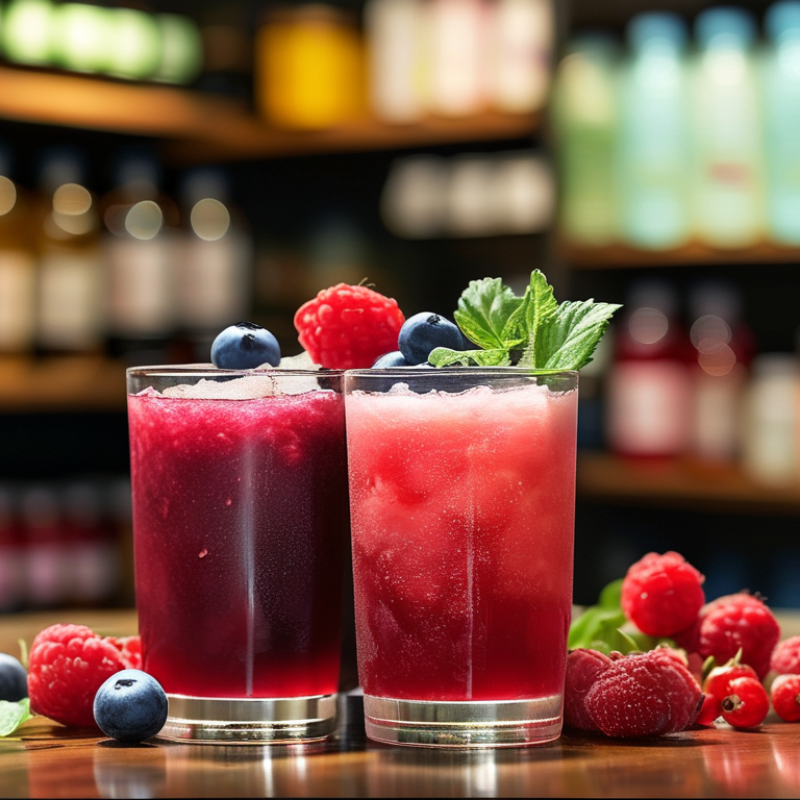
As food scientist Dr. Kantha Shelke explains, “A successful formulation balances nutrition, sensory quality, and manufacturability.” That balance separates a promising bench sample from a reliable commercial beverage. A vivid berry color may look attractive in a glass. It can fade under light. Botanical extracts may support a compelling concept. They can also create bitterness, sediment, or labeling challenges.

This guide evaluates leading beverage formulation companies through practical criteria. These include technical capabilities, pilot-scale testing, ingredient sourcing, regulatory support, shelf-life validation, and global manufacturing experience. Cost still matters. It should not be the only filter.

Some suppliers excel at functional drinks. Others perform better with dairy alternatives, carbonated beverages, concentrates, or clean-label products. The best partner depends on the formula’s actual pressure points, not its marketing language. Expect trade-offs. Test carefully.
7 Best Beverage Formulation Companies for Global Buyers?

Understanding Beverage Formulation Services for Global Buyers

For global buyers, beverage formulation means more than mixing ingredients. It connects consumer research, sensory design, processing, packaging, and regulatory review. Grand View Research valued the global functional beverages market at USD 193.77 billion in 2023. It projects a 7.0% compound annual growth rate through 2030. This growth pressures the seven best formulation partners to prove technical depth, not just provide attractive samples. A capable team should explain testing plans, ingredient traceability, target costs, and expected shelf life clearly.

The 2024 IFIC Food & Health Survey reported that 72% of Americans were trying to limit or avoid sugar. Global buyers should request sweetness trials, acidity data, and nutrition calculations before approving a prototype. Regional preferences still matter. A lightly sparkling drink may need different mouthfeel, serving size, or flavor intensity across markets. Formulators should review local labeling rules, permitted claims, allergen controls, and export documents. These checks reduce rework, but they cannot remove every risk.

During supplier evaluation, ask for pilot-batch protocols, accelerated stability results, microbiological specifications, and change-control procedures. Confirm who owns the formula and how revisions are recorded. No formula is perfect on the first pilot. Sediment, color drift, or flavor fatigue may appear after several weeks. That is not failure. Ignoring it is. Reliable partners welcome controlled criticism, repeat testing, and transparent limits. Their test records should show what changed, why it changed, and what still needs verification.
7 Best Beverage Formulation Companies for Global Buyers?

Global Beverage Formulation Reference Points for Buyer Evaluation

Global buyers typically assess formulation partners against measurable requirements such as sugar reduction, caffeine disclosure, acidity control, and nutritional labeling. The reference points shown are based on WHO guidance, EU caffeine-labeling rules, and U.S. FDA requirements. Units differ by checkpoint and should not be treated as a company ranking.

Sources: WHO Free Sugars Guideline · EU Directive 2002/67/EC · U.S. FDA Acidified Foods Guidance · U.S. FDA Daily Values

Key Criteria for Evaluating Beverage Formulation Companies

Choosing beverage formulation companies requires more than comparing prices or polished sample kits. Global buyers should examine technical experience, regulatory discipline, and evidence from real production. The 2024 Functional Beverages Market report estimated the sector at approximately USD 218.5 billion in 2023, with continued annual growth through 2032. That expansion increases supplier choice, but also raises quality risks.

Ask whether the formulator can manage pH, water activity, sedimentation, oxidation, and shelf-life testing. Request stability data from pilot and commercial batches. A reliable partner should explain ingredient origins, allergen controls, certificates of analysis, and traceability records. It should also understand regional labeling rules. The World Health Organization recommends keeping free sugars below 10% of daily energy intake, preferably below 5%. Formulas should reflect that guidance where relevant.

Taste remains essential. A technically compliant drink can still fail because it tastes metallic, overly sweet, or thin after storage. Sensory panels, blind testing, and consumer feedback provide stronger evidence than internal opinions. The 2024 Global Food and Beverage Trends report identified health and functional benefits as major purchase influences, yet consumer expectations differ sharply by market. Do not assume one winning formula travels well. I would also question impressive projections without raw data; I have seen promising prototypes change significantly after scale-up. Production capacity, minimum order quantities, contingency planning, and communication speed deserve equal scrutiny. Small gaps become expensive later.

Profiles of Seven Leading Beverage Formulation Companies

Global beverage buyers often need more than a good-tasting sample. They need technical evidence, reliable communication, and realistic production planning.

The first profile is a global full-service developer, supporting concept design, formulation, testing, and scale-up. A botanical specialist focuses on extracts, bitterness control, and flavor stability. A sports nutrition company develops electrolyte, protein, and recovery beverages with measured nutrition targets. Another leading firm specializes in dairy-free drinks, using oat, nut, or seed bases while managing sedimentation risks. A clean-label developer works with recognizable ingredients and limited additives. A pilot-scale laboratory helps buyers test small batches before committing to factory volumes. The seventh profile is a regional flavor house, valuable for adapting sweetness, acidity, and aroma to local preferences. These companies differ greatly in equipment, documentation, and communication speed.

Tips: Request a complete specification sheet, prototype history, shelf-life data, and minimum order details. Ask how the team handles failed trials. Honest answers matter.

From practical supplier reviews, the strongest partners explain what they cannot guarantee. A polished prototype may still separate after transport. This is easy to overlook. Buyers should check packaging compatibility, filling temperature, storage conditions, and ingredient traceability. Independent laboratory testing can confirm microbiological safety and label accuracy. However, testing alone does not replace manufacturing experience. A reliable formulator records each adjustment, from acidity changes to mixing time. The process may feel slower, but it reduces expensive surprises during commercial production.

7 Best Beverage Formulation Companies for Global Buyers? - Profiles of Seven Leading Beverage Formulation Companies
Anonymous Profile Primary Formulation Strength Common Beverage Formats Product Development Support Regulatory and Quality Support Typical Buyer Fit Global Project Considerations
Profile 1 Functional beverages, fortified drinks, vitamins, minerals and botanical ingredients Ready-to-drink Powdered mixes Shots Concept development, bench samples, sensory testing, nutrition calculation and scale-up guidance Ingredient documentation, label review, allergen assessment and product specification support Start-ups and established buyers launching health-oriented beverage concepts Confirm permitted claims, ingredient status and labeling rules in every target market
Profile 2 Clean-label beverages using natural flavors, colors, sweeteners and recognizable ingredients Juice drinks Flavored water Tea beverages Flavor matching, sweetness balancing, prototype preparation and stability screening Traceability documentation, allergen controls, microbiological specifications and quality questionnaires Retail and foodservice buyers seeking simple ingredient statements Natural ingredients may vary by season, origin, availability and processing method
Profile 3 Sports and active-nutrition beverages with electrolytes, carbohydrates and performance ingredients Hydration drinks Energy drinks Concentrates Osmolality and acidity guidance, flavor optimization, ingredient compatibility testing and pilot trials Nutrition-panel support, ingredient compliance checks and documentation for export review Sports nutrition, gym, outdoor and active-lifestyle channels Packaging, caffeine limits and performance claims require market-specific verification
Profile 4 Plant-based, dairy-free and protein-enriched beverage systems Plant-based drinks Protein shakes Meal beverages Protein dispersion, texture improvement, sedimentation control and shelf-life evaluation Allergen management, vegan documentation, supplier approvals and quality-standard questionnaires Buyers developing nutrition, wellness and alternative-dairy products Protein type, heat treatment, pH and packaging can affect texture and stability
Profile 5 Carbonated beverages, mixers and reduced-sugar beverage systems Carbonated soft drinks Tonic-style mixers Sparkling water Carbonation adjustment, acid balance, flavor profiling, sweetener blending and filling-process guidance Food-safety documentation, packaging compatibility review and process specifications Hospitality, retail, private-label and beverage-distribution buyers Carbonation level, container type, closure system and distribution temperature affect performance
Profile 6 Tea, coffee, botanical and traditional beverage formulations Iced tea Cold brew Botanical drinks Extraction guidance, flavor blending, bitterness reduction, color management and sensory benchmarking Botanical identity documentation, contaminant specifications and stability-testing support Premium beverage, café, wellness and culturally inspired product developers Botanical regulations, caffeine disclosure and raw-material consistency vary internationally
Profile 7 Powdered beverage premixes, instant drinks and dry-format formulation systems Instant powders Stick packs Foodservice mixes Powder flow optimization, instantization, flavor protection, moisture control and reconstitution testing Ingredient specifications, shelf-life documentation, batch consistency controls and export paperwork support Online sellers, foodservice operators, distributors and buyers needing efficient shipping Humidity, sachet barrier properties, mixing instructions and storage conditions are critical
Note: The profiles summarize widely used beverage-formulation capabilities. Specific certifications, minimum order quantities, lead times, pricing and market approvals should be confirmed directly with each selected supplier.

Comparing Capabilities, Costs, Compliance, and Global Reach

Global buyers should compare beverage formulation companies beyond sample taste. A capable partner can adjust sweetness, acidity, texture, color, and shelf stability for different markets. Pilot batches reveal more than polished presentations. Ask for bench samples, production trial records, and documented test results.

Costs need careful reading. A low development fee may exclude reformulation, stability testing, packaging trials, or export documents. Request a line-by-line quotation. Compare minimum order quantities, lead times, ingredient sourcing, and technical support. Compliance is equally important. Reliable formulators should explain allergen controls, food safety systems, labeling requirements, and country-specific limits. They should also provide traceability from ingredient lot to finished batch. Global reach matters, but local knowledge often matters more. A company may ship widely yet misunderstand regional taste preferences. That is a real weakness.

Tips: Prepare a written product brief with target consumers, serving size, nutrition goals, package format, and launch countries. Ask how formula changes affect cost and approval timelines. Visit the facility when practical, or request a live production walkthrough. Do not accept vague claims. One overlooked detail can delay a launch. Even experienced buyers miss things. Recheck assumptions.

How to Select the Right Beverage Formulation Partner

Selecting the right beverage formulation partner requires more than comparing seven attractive websites. Begin with relevant experience. Can the team develop powders, concentrates, functional drinks, or clean-label products? Request anonymized case details, pilot-batch records, stability data, and sensory test results.

Taste still matters. The 2024 McKinsey Future of Wellness report valued the global wellness market at approximately $1.8 trillion, showing strong demand for health-focused beverages. However, demand does not replace technical discipline. A capable partner should explain ingredient function, processing limits, shelf-life risks, and permitted claims in each target market.

Audit the partner’s quality system before discussing scale. Check HACCP or ISO 22000-based controls, allergen management, supplier verification, and batch traceability. The FAO reported that 13.2% of global food is lost after harvest and before retail, making efficient formulation and supply planning commercially important.

Ask how the partner handles moisture migration, sedimentation, oxidation, and flavor fading. Ask for measurable acceptance criteria. No partner is perfect. A polished sample may hide weak documentation or poor production repeatability.

Visit the facility when possible, review a small production run, and compare laboratory results with the delivered batch. One practical concern deserves attention: a formulation that performs well in a glass may fail during transport, storage, or automated filling.

Select a partner that communicates limitations clearly, protects confidential development information, and can support regulatory review without making unsupported promises. Reliability is demonstrated in records, corrective actions, and consistent communication—not in impressive presentations.