Top Energy Drink Manufacturers in China for Global Buyers

China has become a major sourcing base for energy drinks, serving private-label brands, distributors, and retail chains worldwide. Its manufacturers offer carbonated cans, sugar-free formulas, vitamin drinks, and functional products with varied caffeine levels. Yet factory scale alone does not prove reliability.

This guide examines leading Chinese energy drink manufacturers for global buyers. It focuses on formulation capability, production experience, export support, and quality-control systems. Buyers should review ingredient specifications, batch testing, allergen controls, packaging strength, and documented certifications. A bright can may attract attention. Consistent quality keeps customers.

Dr. John P. Higgins, a sports cardiologist, has warned that energy drinks are “not a substitute for sleep.” This reminder matters during supplier evaluation. Responsible manufacturers should communicate caffeine content clearly and support compliant labeling for each destination market. They should also provide traceable records, realistic lead times, and samples from current production lines. Not every supplier deserves the same confidence. That is the difficult part.

The phrase “on energy drink” appears often in online sourcing discussions, but practical buying decisions need stronger evidence. Factory visits, independent laboratory reports, and transparent communication can reveal weaknesses hidden behind polished websites. Some suppliers may promise low minimum orders, custom formulas, and rapid delivery. Those promises require verification.

This overview will help global buyers compare China’s manufacturers more carefully. It will consider product range, technology, certifications, customization, pricing factors, and export readiness. The assessment is useful, but not perfect. Markets change, and supplier claims must be checked before signing any agreement.
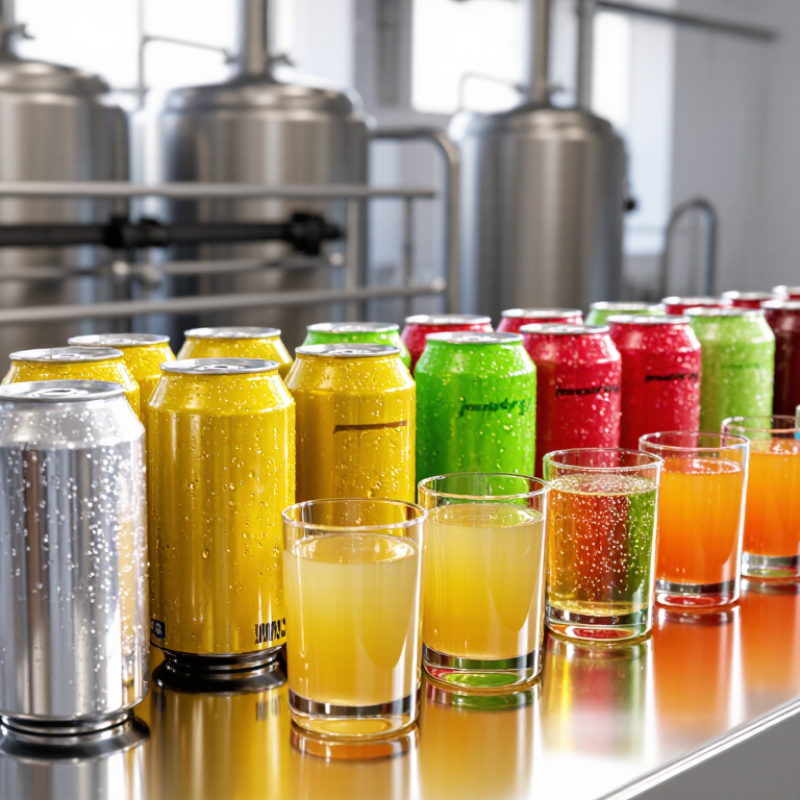
Top Energy Drink Manufacturers in China for Global Buyers

China’s Energy Drink Manufacturing Landscape for Global Buyers

Top Energy Drink Manufacturers in China for Global Buyers

China’s energy drink manufacturing landscape serves private-label, contract, and custom formulation buyers. Factories range from large automated plants to smaller facilities with flexible minimum order quantities. Production clusters often support fast access to aluminum cans, flavor systems, packaging printers, and logistics providers. This ecosystem can shorten development time, but supplier quality varies widely.

Experienced buyers usually examine more than factory photos. They request recent test reports, ingredient specifications, production licenses, and batch traceability records. A reliable manufacturer should explain caffeine levels, sweetener choices, allergen controls, and shelf-life testing clearly. Samples should be checked for taste, carbonation, can seams, label accuracy, and performance after transport. Small details matter.

Ask for a pilot order.

Manufacturers may offer OEM or ODM support, including flavor adjustment, packaging design, and carton configuration. However, a low quotation can hide high tooling fees, strict payment terms, or limited quality control. The picture is not always uniform. Some suppliers communicate well before signing, then respond slowly during production. Written specifications, inspection checkpoints, and approved reference samples reduce this risk. Buyers should also confirm destination-market labeling rules with qualified local advisers, because requirements differ across countries and can change.
Key Product Categories and Formulation Capabilities

Chinese energy drink manufacturers often organize products around clear usage occasions. Core categories include classic carbonated energy drinks, low-sugar options, caffeine-free functional beverages, and ready-to-drink sports-style formulas. Packaging may range from slim cans for convenience stores to larger bottles for sharing. Small details matter: carbonation level, sweetness, aroma, and how the drink tastes when served cold.

Formulation capabilities vary by factory, so buyers should ask for specific evidence rather than broad promises. A development team may adjust caffeine levels, fruit flavors, sweeteners, acidity, and added vitamins to meet a target profile. Sample testing helps reveal whether the flavor stays balanced after production and storage. Ask about ingredient specifications, batch records, shelf-life testing, and available packaging formats. These checks are practical.

A low-sugar formula can still taste sharp or thin. That is easy to overlook. Buyers should compare samples under realistic conditions, including chilled service and transport. Clear product briefs and agreed testing criteria can reduce misunderstandings, though they cannot remove every revision.

Leading Manufacturer Profiles and Production Strengths

Chinese energy drink manufacturers vary widely in scale, formulation expertise, and export readiness. A useful profile should show more than factory size. Buyers can ask about monthly capacity, canning-line speed, quality checks, and experience with private-label orders. Details matter.

Some producers focus on high-volume runs, using automated filling lines and standard can sizes to keep output consistent. Others offer smaller trial batches and flexible flavor development. That can help buyers test demand before placing larger orders. Ask how the factory manages ingredient sourcing, batch records, and changes between production runs. A neat brochure is not proof.

Production strength also includes practical export support. Look for clear specifications, stable packaging supply, and staff who can explain lead times without vague promises. Request recent quality documents and, where possible, arrange an independent factory audit. A real production schedule is more useful than a polished presentation. Not every supplier will suit every market. Some answers may still be incomplete; record the gaps and clarify them before signing an order.

Quality Standards, Certifications, and Export Compliance

Top Energy Drink Manufacturers in China for Global Buyers

Quality Standards, Certifications, and Export Compliance

Choosing an energy drink manufacturer requires more than reviewing a product catalog. Experienced buyers inspect production rooms, water treatment systems, filling lines, and storage conditions. Floors should be clean, dry, and easy to sanitize. Workers should follow documented hygiene procedures. Small details matter.

Reliable factories usually maintain HACCP, GMP, ISO 22000, FSSC 22000, or BRCGS systems. Certification scope must match the actual facility and product category. Buyers should request current certificates, audit reports, product specifications, and batch-level certificates of analysis. Independent testing can verify caffeine, sugar, microbiological safety, heavy metals, and declared ingredients. A certificate is useful evidence, not absolute proof.

Export compliance also depends on the destination market. Labels may require caffeine warnings, nutrition panels, allergen statements, serving sizes, and local language. Packaging materials should suit long-distance shipping and changing temperatures. Each carton needs clear lot codes, production dates, shelf-life information, and traceability records. Customs documents must match the physical shipment. Errors often appear in simple places, such as inconsistent ingredient names or missing importer details.

I have found that a factory can look professional while its records remain incomplete. That deserves careful review. Some suppliers rely too heavily on old test reports. A stronger process includes recent samples, factory audits, retained samples, and corrective-action records. Compliance is continuous work. Even good systems need questioning.

Sourcing, Customization, and International Partnership Considerations

Top Energy Drink Manufacturers in China for Global Buyers

Sourcing an energy drink manufacturer requires more than comparing factory prices. Request current production licenses, third-party laboratory reports, ingredient specifications, and batch traceability records. Reliable suppliers should explain caffeine levels, sweetener sources, shelf-life testing, and allergen controls clearly. Ask for a factory video call or an independent audit. A polished presentation is not enough.

Customization usually begins with the formula, packaging, and market requirements. Buyers can adjust flavor intensity, sugar content, functional ingredients, can size, and label language. Confirm whether the manufacturer owns the formula or produces under contract. Small pilot batches are useful, but they may cost more per unit. That trade-off is easy to underestimate. Request physical samples, then test taste, carbonation, color stability, and packaging strength after transport.

International partnerships need careful commercial planning. Discuss minimum order quantities, lead times, payment stages, Incoterms, carton dimensions, and container loading plans. Confirm that labels meet the destination market’s rules before printing. A supplier’s export experience can reduce customs delays, but it should not replace independent compliance checks. Communication also matters. Set written approval points for formulas, artwork, samples, and shipment release. Some factories respond quickly before receiving a deposit, then slow down later. Build realistic timelines, keep records, and leave room for corrections. Mistakes happen. A dependable partner shows how they handle them.

Top Energy Drink Manufacturers in China for Global Buyers — Sourcing, Customization, and International Partnership Considerations

Selected Caffeine Regulatory Benchmarks for Export Planning

These benchmarks illustrate two distinct compliance markers: the EU requires a high-caffeine warning for beverages above 150 mg/L, while Australia and New Zealand set a maximum caffeine concentration of 320 mg/L for formulated caffeinated beverages. They are not equivalent limits. Confirm product classification, labeling, and current local requirements before finalizing a formulation or export market.

Sources: EU Regulation (EU) No 1169/2011, Annex XIV; Australia New Zealand Food Standards Code, Standard 2.6.4.