China’s natural energy shots market deserves careful supplier screening, not assumptions based on a “natural” label. Grand View Research estimated the global energy drinks market at USD 73.8 billion in 2023 and projected continued growth through 2030. That figure covers the broader energy-drink category, not natural shots alone. It signals commercial momentum, but it does not prove demand for any particular ingredient or Chinese supplier.
For buyers, the details matter. A compact bottle may contain caffeine from tea, guarana, or other sources, alongside sweeteners, vitamins, and flavorings. Compare ingredient specifications, batch testing, manufacturing controls, packaging, and export documentation. Ask for current certificates and independent test results; a polished product sheet is not enough. Small omissions can matter.
Professor Jack James has published peer-reviewed research on energy drinks and their potential health effects. His work is relevant when assessing stimulant products, but I could not verify a direct quotation from him specifically about natural energy shots. Rather than invent one, this introduction relies on his published research as context. That distinction matters. This supplier guide will compare Chinese manufacturers using verifiable product and quality information, while noting where public evidence is limited. The aim is practical: help buyers identify suppliers whose claims can be checked, not merely repeated.
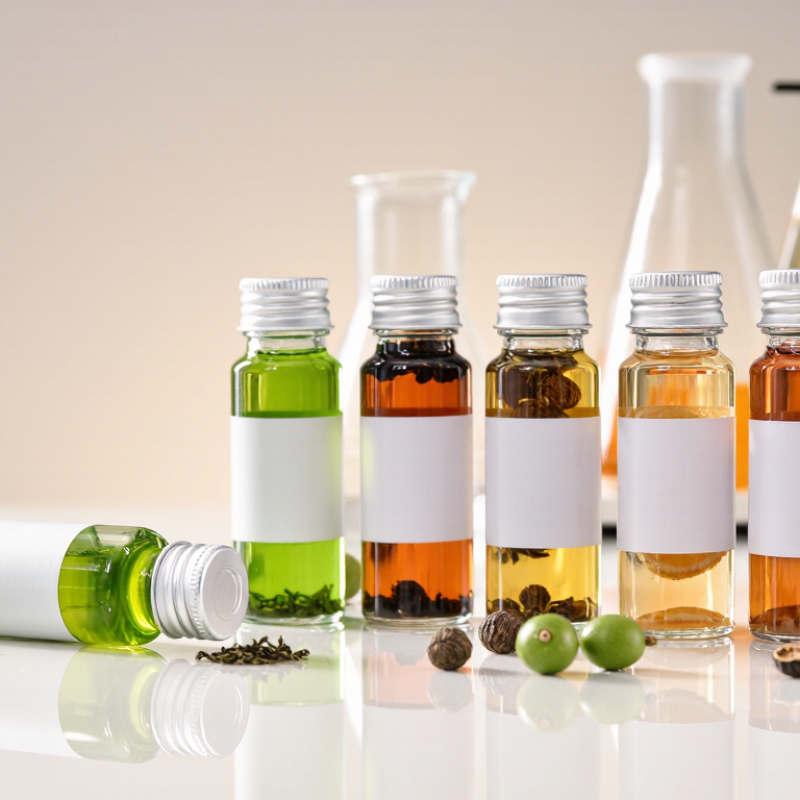
Natural energy shots are compact beverages designed to deliver caffeine and other ingredients in a small serving. Formulas may use caffeine from coffee or tea, fruit concentrates, and plant extracts. “Natural” is not a uniform recipe, so caffeine levels and ingredient sources can vary. Read the serving size carefully.
Production starts with supplier checks and testing of ingredients. Extracts and juices are measured, blended with water and permitted flavoring, then adjusted for taste and stability. The mixture may be filtered and heat-treated before filling into small, sealed bottles. Each batch should be checked for caffeine content, acidity, microbial safety, and shelf stability. Small errors matter: concentrated formulas can taste sharply bitter, and natural extracts may vary between harvests.
The European Food Safety Authority’s 2015 caffeine assessment found that a single dose up to 200 mg generally raised no safety concern for healthy adults. This is a scientific reference, not a recommended serving target. Manufacturers should state caffeine per bottle clearly and test the finished product, rather than relying only on supplier specifications. Natural does not automatically mean mild.
| Topic | Typical Details | What to Check When Evaluating a Supplier |
|---|---|---|
| Supplier landscape in China | Potential suppliers include beverage contract manufacturers and OEM/ODM factories that develop and produce small-format functional drinks. Capabilities vary by facility; there is no single authoritative public ranking of “top” suppliers. | Review the factory’s legal business details, production-site address, relevant product experience, export markets, and whether manufacturing is performed in-house or subcontracted. |
| Natural energy shot | A small-format beverage formulated to provide caffeine or other ingredients associated with alertness. “Natural” is not a uniform product definition, so the ingredient sources and applicable labeling rules should be specified. | Request the complete formula, ingredient specifications, caffeine amount per serving, and evidence supporting any “natural” or other product claims. |
| Common caffeine sources | Possible sources include coffee or tea extracts, guarana, and purified caffeine. Guarana naturally contains caffeine; the actual caffeine content depends on the ingredient and finished formula. | Confirm source, botanical identity where applicable, caffeine assay, supplier documentation, and finished-product testing. Do not assume “plant-derived” means caffeine-free or low-caffeine. |
| Other common ingredients | Formulas may include fruit or botanical extracts, sweeteners, acids, flavors, and vitamins. Ingredients differ by product, and their presence does not by itself establish an energy or health benefit. | Check ingredient quality specifications, allergen information, permitted use in the destination market, and whether each label claim is substantiated. |
| Typical production stages | Common steps include ingredient inspection, water preparation, weighing and blending, adjustment of acidity and flavor, filling, package sealing, and finished-product checks. The exact process depends on the formula and packaging. | Ask for a process flow, batch records, sanitation controls, and details of the validated preservation or heat-treatment process, if applicable. |
| Packaging formats | Small bottles and other single-serve containers may be used. Package size, material, closure, and filling method are product-specific. | Confirm the available line format, packaging-material specifications, seal integrity checks, minimum order quantity, and compatibility with the product’s acidity and processing conditions. |
| Food-safety systems | Manufacturers may operate food-safety programs such as HACCP-based controls or certified management systems. Certification and scope must be verified for the actual production site and product category. | Request current certificates and confirm issuing body, validity dates, site address, and scope. Also review audit reports and corrective-action records where available. |
| Quality and shelf-life checks | Relevant checks can include caffeine content, microbiological results, pH, sensory quality, fill volume, package integrity, and stability over the proposed shelf life. | Request specifications, representative certificates of analysis, testing methods, stability data, and a clear procedure for handling out-of-specification batches. |
| Export and labeling readiness | Requirements for ingredients, caffeine declarations, nutrition information, claims, and language depend on the destination market. China-based production alone does not establish compliance in another country. | Confirm who is responsible for regulatory review, provide the target-market requirements in writing, and have the final label and claims checked before production. |
| Supplier comparison note | The information above describes common product and manufacturing considerations; it does not rank or endorse individual factories, and capabilities should be verified directly. | Compare suppliers using documented audits, samples, test results, capacity, lead times, pricing terms, and contract requirements rather than unverified rankings. |